


Did you know that over 60% of new residential roof projects in 2025 leveraged sustainable roofing materials—reshaping the future of the roofing business? The roofing industry is experiencing a seismic shift. As consumer demand, energy requirements, and technological advancements converge, contractors attending RoofCon 2026 in Oklahoma City are discovering the true power of roofing materials trends to drive growth and resilience in today’s market. Whether you’re a seasoned roofing contractor or exploring new opportunities, understanding these roofing trends is essential to gaining a competitive edge in both commercial roofing and residential roof projects.
The Startling Evolution of Roofing Materials Trends in the Roofing Industry
“Over 60% of new residential roof projects in 2025 leveraged sustainable roofing materials—reshaping the future of the roofing business.” – Senior Editor-in-Chief, Tony
Roofing materials trends have evolved at a pace that is catching even the most experienced roofing contractors by surprise. It’s no longer simply about weather protection—today’s roofing industry is defined by its ability to adapt to sustainability requirements, regulatory changes, and customer preferences. From cool roof solutions that reflect sunlight and improve energy efficiency to green roof systems that add curb appeal while supporting the urban environment, modern roofing materials and roofing systems bring new technology and strategy into roof construction. These shifts in materials are being driven by consumer demand for durability, environmental impact reduction, and advanced design, all of which are showcased on a grand scale at RoofCon 2026.
The impact of these roofing trends and roofing materials is profound. Contractors are navigating a landscape where asphalt shingles and traditional options must compete with metal roofing, synthetic roofing, and solar-integrated systems. These advancements hold the promise of better performance in extreme weather, longer lifespan, and less maintenance—key factors for both commercial roof and residential roof projects. As we look ahead, the materials chosen today don’t just meet current needs—they redefine the future of the roofing business, driving profitability, energy efficiency, and client satisfaction for those who stay ahead of the curve.
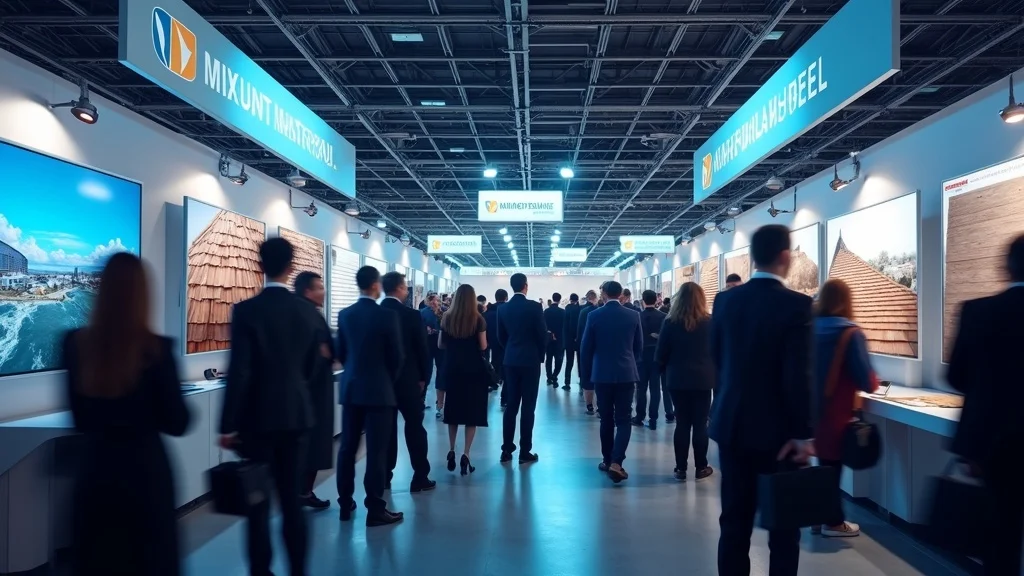
What You'll Learn About Roofing Materials Trends at RoofCon 2026
A comprehensive overview of cutting-edge roofing trends at RoofCon 2026
Insights on how residential roof and commercial roof demands are evolving
Advances in roofing systems technology, sustainability, and performance
Actionable strategies for roofing business success in a changing market
Roofing Trends Overview: Why the Roofing Industry is Embracing Innovation
The roofing industry is rapidly embracing innovation to meet modern challenges head-on. The integration of material science breakthroughs, such as chemical coatings and advanced polymers, has made roofing materials more resilient and versatile than ever before. Smart roofing tech—like sensors, drones, and performance analytics—is transforming how roofing contractors inspect, repair, and maintain both residential roof and commercial roof systems. These advancements mean that the modern roof is not just a barrier, but a dynamic system that responds to environmental stimuli, improves energy efficiency, and adapts to occupant needs.
Green roof and cool roof solutions now play a pivotal role, both in reducing energy costs and in responding to stricter regulations on building sustainability, making them key roofing solutions for modern projects. Meanwhile, trends like solar integration and synthetic roofing ensure homeowners and business owners can access tailored solutions for any climate—making it easier to maintain properties in regions facing extreme weather. The message from RoofCon 2026 is clear: embracing these technologies and trends isn’t optional for the next era of the roofing business—it’s crucial for survival and long-term growth.
Keynote Insights: Industry Leaders on Roofing Materials Trends
“Roofing trends are a direct reflection of changing energy demands, local climates, and consumer values.”—RoofCon Keynote Speaker
The keynote sessions at RoofCon 2026 set the tone for what’s next in roofing materials trends. Expert speakers, from top engineers to successful roofing contractor business owners, offered forecasts on the most sought-after materials, their impact on the modern roof, and strategies for contractors to stay agile. Several leaders highlighted the role of cool roofing and reflective materials in driving down energy costs, positioning them as must-have roofing materials for any new commercial roof or forward-thinking residential roof project.
Beyond products, keynote insights focused heavily on the need for business agility and ongoing education. As regulatory requirements become more stringent and client expectations rise, contractors must understand not only current roofing trends but also anticipate next-generation solutions. Attendees left inspired to pursue ongoing learning, invest in innovative systems, and adopt practices that position their roofing business for resilience no matter how quickly the industry changes.
The Rise of Metal Roofing and Synthetic Roofing Materials
Benefits and drawbacks of metal roof systems: Metal roofing is renowned for durability, longevity, and low maintenance, making metal roof systems a top choice in modern roofing trends. It stands up exceptionally well to extreme weather, is often recyclable, and offers high energy efficiency thanks to its ability to reflect sunlight. However, initial costs are often higher than traditional options, and noise can be a concern unless proper insulation is installed.
Longevity and resilience of new metal and synthetic roofing materials: Innovations in both metal and synthetic roofing materials have led to significantly longer lifespans for modern roofs—often exceeding 40–50 years for metal and 25–35 years for premium synthetics. Synthetic roofing materials provide versatility in design and outperform traditional asphalt shingles in weight, durability, and weather resistance.
Case studies from commercial roofing and residential roof projects: Leading contractors at RoofCon 2026 shared real-world projects where metal roofing and synthetic materials were used to successful effect, particularly on buildings in hurricane-prone or high-snow areas. These materials not only reduced repair costs after storms but also provided better long-term protection, making them a strong investment for both homeowners and businesses.
Eco-Friendly Roofing Materials Trends: Green Roofs, Cool Roofs, and More
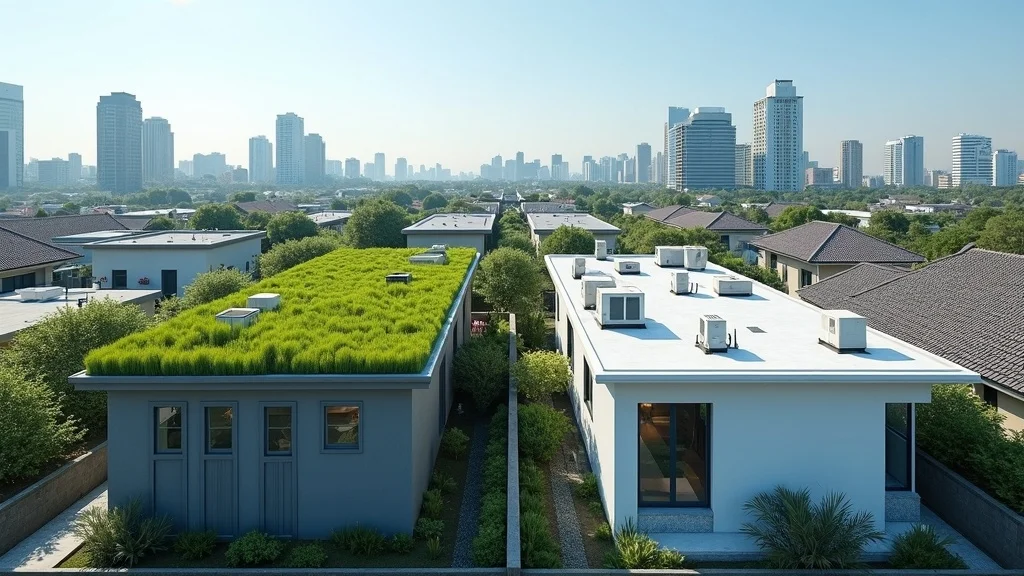
Eco-friendly roofing solutions, including green roofs and cool roofs, are taking center stage in 2026. Cities and states are encouraging or even mandating green roof construction on commercial roof projects, while homeowners are seeking cool roof options to cut down on summer utility bills. Green roofs, which consist of living vegetation and engineered layers, help reduce urban heat islands, improve air quality, and manage stormwater runoff. Meanwhile, cool roofs utilize highly reflective materials or coatings to bounce sunlight back, keeping structures cooler and slashing energy costs—a boon for both the residential roof market and commercial spaces facing regulatory scrutiny for carbon emissions.
“We’re investing in green roofs and reflective cool roofing to lower energy costs for our clients.”—Oklahoma City Roofing Contractor
Sustainable roofing methods—such as recycled-content shingles, solar-reflective coatings, and advanced vegetative technologies—are gaining traction because they deliver robust energy efficiency alongside long-term savings. Many roofing contractors at RoofCon 2026 noted that promoting these solutions is now a key selling point when consulting with environmentally conscious clients and communities, helping their roofing business stand out in a crowded market.

Solar Roofing Innovations: The New Wave in Roofing Materials Trends
Integration of solar panels into modern roof systems: One of the hottest roofing trends seen at RoofCon 2026, seamless integration of solar panels is transforming the look and function of both residential roof and commercial roof systems. These systems reduce reliance on the grid and can be designed to enhance curb appeal rather than detract from it.
The commercial roofing surge in solar investments: Large-scale buildings, warehouses, and multi-family properties are turning to solar-integrated roofing to lower operational costs and meet sustainability targets. These investments yield rapid energy cost payback, along with government incentives that appeal to the modern business owner.
Key vendors at RoofCon 2026 showcasing solar roofing solutions: Top manufacturers and service providers demoed innovative mounting systems, lightweight panels suitable for low-slope and steep-slope applications, and hybrid roof systems that combine solar, cool roof, and vegetative benefits—positioning their offerings at the cutting edge of the roofing industry’s evolution.
Standing Up to Extreme Weather: Roofing Materials Trends for Performance and Durability
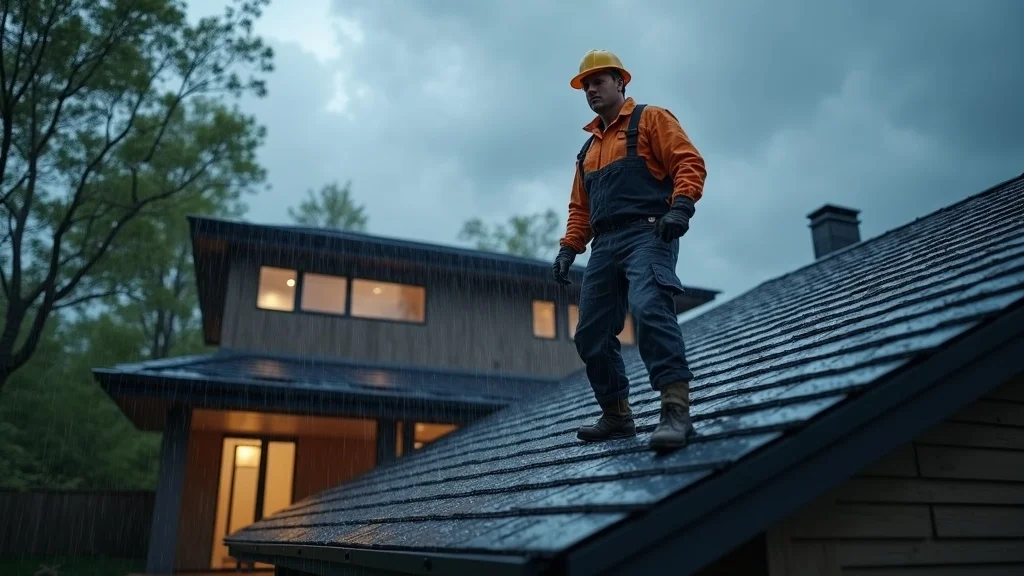
As climate patterns grow more volatile, advances in roofing material technology and roofing solutions have never been more critical. Modern innovations address everything from hurricane-force winds and severe rain to wildfires and hail. Roofing materials—such as reinforced metal roofing, advanced synthetic roofing membranes, and impact-resistant shingles—are engineered to withstand punishing conditions and protect a home or business long after installation. These solutions are featured prominently at RoofCon 2026, where contractors evaluate products that stood up to the past year’s most challenging weather events.
This shift isn’t just about safety; it’s a powerful value proposition for clients worried about asset protection and builder liability. By prioritizing durability and adopting new roofing materials, forward-thinking contractors deliver peace of mind while reducing long-term repair costs—a decision that positions them as experts ready for whatever Mother Nature throws their way.
Smart Roofing Tech: Digital Tools Transforming Roofing Materials Trends
Latest roofing tech—drones, sensors, real-time analytics: Roofing tech has leaped forward, with digital tools now standard at every stage of a roofing project. Drones allow for precise, safe roof inspections, while sensors embedded in roofing materials monitor moisture intrusion, temperature, and even hail strikes in real-time. Cloud-based analytics platforms tie it all together, giving contractors actionable data at their fingertips.
How technology impacts roofing contractor efficiency and quality: With these tools, roofing contractors are speeding up project timelines, reducing errors, ensuring precision in installation, and offering clients progress updates like never before. This technological advancement fosters business transparency, improves client trust, and arms contractors with a strategic advantage in a highly competitive roofing business landscape.
Featured sessions at RoofCon 2026 focused on tech advancements: From hands-on drone demos to software solution workshops, RoofCon 2026 is the place for contractors to explore emerging tech and partner with vendors ready to help them take the leap into the next era of smart roofing solutions.

The buzz and innovation at RoofCon 2026 were unmatched, with live demonstrations and product showcases revealing the next generation of roofing materials trends. From interactive simulation booths illustrating storm-resistant materials to hands-on solar roofing system installations, this year’s expo proved why it remains the must-attend event for contractors serious about staying ahead. The featured video below offers a dynamic look at the exhibitors, energy, and transformative technologies shaping the industry’s future.
Residential Roof & Commercial Roof: Comparing Roofing Materials Trends
Emerging roofing materials for residential vs. commercial applications: While the residential roof market is leaning into energy-efficient asphalt, metal, and solar-integrated systems, commercial roofing is prioritizing cool roofing membranes, green roof assemblies, and reinforced synthetic roofing that meets varying slope and load requirements.
Key trends in multi-family and low-slope commercial roof systems: As urban density grows, the trend for multi-family buildings is to install green roofs to add amenity spaces while commercial warehouses go for reflective membranes and solar scalability. Both sectors rely heavily on robust, weather-resistant materials to meet code and customer expectations.
Expert tips from leading roofing contractor sessions: Industry experts at RoofCon 2026 highlighted the importance of working closely with vendors to match roof system selection to client goals, budget, and location, stressing that customized recommendations are key to client satisfaction and lasting partnerships.
Sustainability and Energy Costs: Roofing Materials Trends Making a Difference
Roofing Material |
Energy Cost Savings (%) |
Lifespan (years) |
Environmental Benefit |
|---|---|---|---|
Green Roof |
15–30 |
40–50+ |
Stormwater, insulation, habitat |
Cool Roofing |
10–25 |
20–30 |
Reflects heat, reduces cooling load |
Metal Roofing |
10–20 |
40–70 |
Recyclable, high solar reflectivity |
Synthetic Roofing |
5–15 |
25–40 |
Lightweight, uses recycled content |
Networking with Roofing Contractors: Peer Insights on Roofing Trends
RoofCon 2026 isn’t just about new roofing materials—it’s about learning from each other. Direct conversations with fellow contractors offer invaluable insights that formal sessions sometimes miss: real-world stories of roofing project challenges, creative solutions for tough extreme weather jobs, or tips on scaling a roofing business efficiently. These peer interactions foster a collaborative environment where questions are welcomed, and everyone is focused on elevating industry standards. By expanding your network at RoofCon, you gain diverse perspectives that can help you adapt quickly—often enabling you to implement trends and best practices faster than the competition.
Vendor Spotlight: Roofing Materials Trends in the Roofing Business
Profiles of top vendors and exhibitors at RoofCon 2026: From global manufacturers to startup innovators, vendors at RoofCon 2026 are introducing products designed to solve today’s most pressing roofing industry challenges, including weather resistance, rapid installation, and digital integration.
Must-see product launches in roofing materials: Highlighted launches include solar-integrated metal panels, ultra-durable synthetic tiles, and next-generation insulation products—many of which are suitable for both commercial roofing and residential roofs.
How new roofing solutions can help your roofing business scale: Attendees shared how partnering with innovative vendors helps them win bids, reduce install times, and build strong client relationships. By leveraging these partnerships, contractors gain early access to products that can set their business apart in a competitive market.
Attendee Playbook: Tapping Into Roofing Materials Trends at RoofCon 2026
How to choose sessions focused on roofing systems and materials
Tips to maximize expo floor discoveries
Post-event strategies for implementing roofing trend insights
People Also Ask About Roofing Materials Trends
What are the biggest roofing materials trends in 2026?
In 2026, the biggest roofing materials trends include sustainability-focused solutions like green roofs, solar integration, highly resilient systems for extreme weather, and ultra-efficient cool roof membranes. These innovations are driving choices in both residential roof and commercial roof markets.
How are roofing contractors adapting to new roofing trends?
Roofing contractors are investing in upskilling, adopting advanced roofing systems, and leveraging roofing tech such as drones and real-time analytics. Attending industry events like RoofCon 2026 keeps them on the forefront of materials, methods, and client preferences, ensuring they thrive as the industry evolves.
What is the impact of synthetic roofing on the roofing industry?
Synthetic roofing materials are reshaping the roofing industry by offering superior durability, low weight, unique design possibilities, and strong environmental credentials. They are gaining market share in both commercial roofing and residential roof segments, meeting consumer demand for reliable, sustainable, and cost-effective roofing solutions.
Watch the expert panel highlight from RoofCon 2026, where industry leaders debate the future of roofing materials trends, spotlighting revolutionary roofing systems, business growth strategies, and how to navigate risk and innovation in the years ahead.
Frequently Asked Questions: Roofing Materials Trends
How do metal roofing and green roofs compare in longevity?
Metal roofing can last 40–70 years, while green roofs may last 40–50+ years when properly maintained. Both offer excellent durability when compared to traditional options.Which roofing materials are best for extreme weather?
Reinforced metal roofing, advanced synthetic membranes, and impact-resistant asphalt shingles are engineered for the toughest extreme weather and climate risks.Can solar panels be installed on any roof?
Most modern roofs can accommodate solar panels, but roof age, shading, pitch, and structural integrity must be evaluated by a roofing contractor prior to installation.What certifications should roofing contractors look for in new materials?
Look for ENERGY STAR® ratings, UL Class 4 impact resistance, and certifications from manufacturers or organizations like the Cool Roof Rating Council (CRRC).How do brown and cool roofing options affect energy costs?
Cool roofs reflect sunlight and reduce cooling loads, significantly lowering energy costs—especially in warm climates. Brown or “standard” roofs typically absorb more heat and offer less energy-saving potential.
Key Takeaways for Roofing Contractors: Capitalizing on Roofing Materials Trends After RoofCon 2026
Embrace sustainable and tech-driven materials for long-term growth
Attend sessions and network at RoofCon for early access to emerging trends
Leverage vendor relationships to stay ahead in the roofing business
Prioritize durability and energy efficiency to meet customer demands
Roofing Materials Trends Outlook: Why RoofCon 2026 Is a Must-Attend
RoofCon 2026 is a pivotal event for contractors looking to unlock the future of their roofing business. By attending in Oklahoma City, January 5–7, you gain exclusive access to emerging trends, business strategies, networking, and innovations setting the standard for the roofing industry for years to come.
Don’t Miss Out: Where to Find More Exclusive Roofing Materials Trends Coverage
To see more exclusive coverage of RoofCon 2026 and interviews with top roofing leaders, visit ContractorAuthorityHub.com http://expertelevationnetwork.com/home/


Write A Comment